
Modular Homes 101: Everything You Need to Know Before Buying

Whether you’re looking to downsize, build a vacation home, or simply want a more affordable housing option, modular homes can be a great choice. But before you make any decisions, it’s important to understand everything there is to know about this type of housing. Find out the details about this type of home at Immobilien.de.
You see, many people in this era have problems with owning a home due to the high cost of building a traditional home. Fortunately, modular homes offer a cheaper alternative without compromising on quality and design. With the help of this guide, you’ll learn everything you need to know about modular homes before making a purchase. From the construction process to quality control, foundation setup, and costs involved – we’ve got you covered.
Construction Process
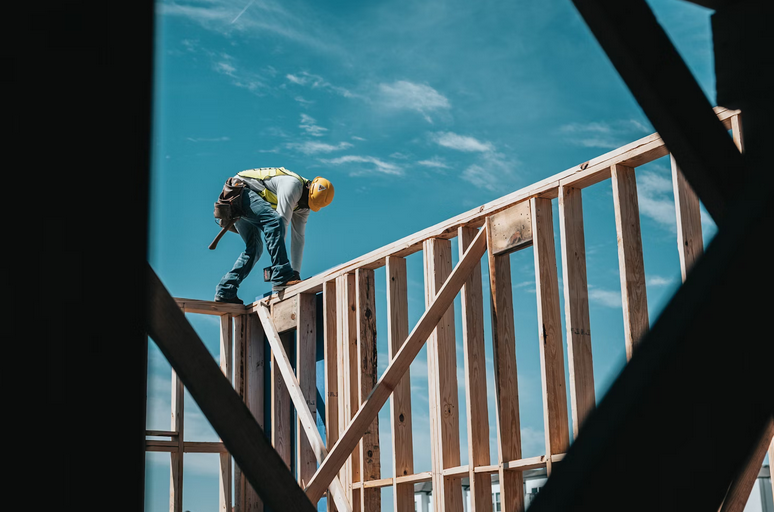
The construction process of modular homes is a well-oiled machine that offers efficiency and precision. It all starts with the design phase, where you can choose from various floor plan types and customization options, which we’ll talk about later, to suit your preferences. Once the design is chosen and finalized, the construction begins in a controlled factory setting. Skilled craftsmen work on different modules simultaneously, ensuring consistency and quality throughout the building process. Each module is constructed with precision using high-quality materials to meet strict industry standards.
After completion, these modules are transported to your chosen site for assembly. The construction process of modular homes offers speed without compromising on quality – making it a very attractive, probably also lucrative, option for those looking for a more efficient home-building experience.
Types of Costs
When considering buying a modular home, it’s essential to understand the costs involved. The upfront cost typically includes the base price of the home itself. This can vary depending on size, design, and customization options you choose. In addition to the base price, there are other costs to consider, such as delivery and setup fees.
These expenses cover transporting the modules to your site and assembling them on your foundation. Another factor to keep in mind is site preparation costs. This can include clearing land, excavating for utilities, and laying a foundation. It’s crucial to budget for these expenses as they can add up quickly.
Customization Options
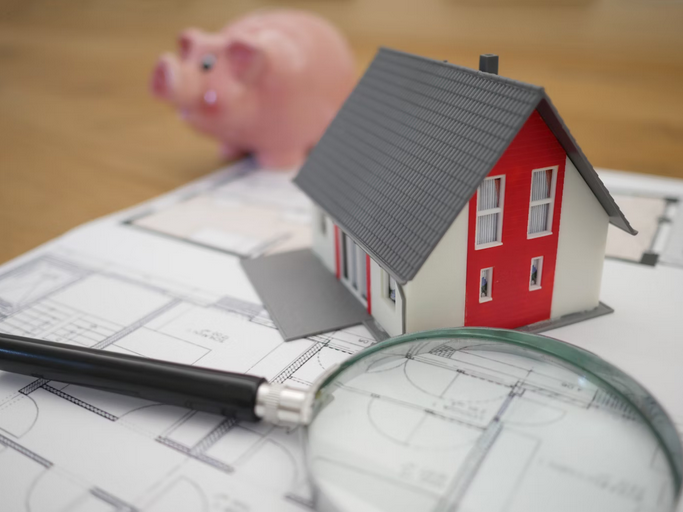
Do you want a modern kitchen with sleek appliances? Or perhaps a cozy fireplace in the living room for those chilly evenings? With modular homes, you can personalize every detail to reflect your unique taste and preferences. Whether you prefer an open-concept floor plan or separate nooks for each family member, customization is key to making your house truly feel like home.
Let’s not forget about exterior features—from siding options to roofing materials, you can tailor the look of your modular home to blend seamlessly with its surroundings. The freedom to customize should be used to create a one-of-a-kind space that caters specifically to your lifestyle and needs.
Quality Control
Manufacturers of these houses implement rigorous quality control and check in order to measures throughout the construction process to ensure that each module meets high standards of craftsmanship and durability. From the selection of materials to the final inspection before shipment, every detail is carefully scrutinized. Third-party inspections may also be conducted to provide an additional layer of assurance that your modular home adheres to industry regulations and safety …
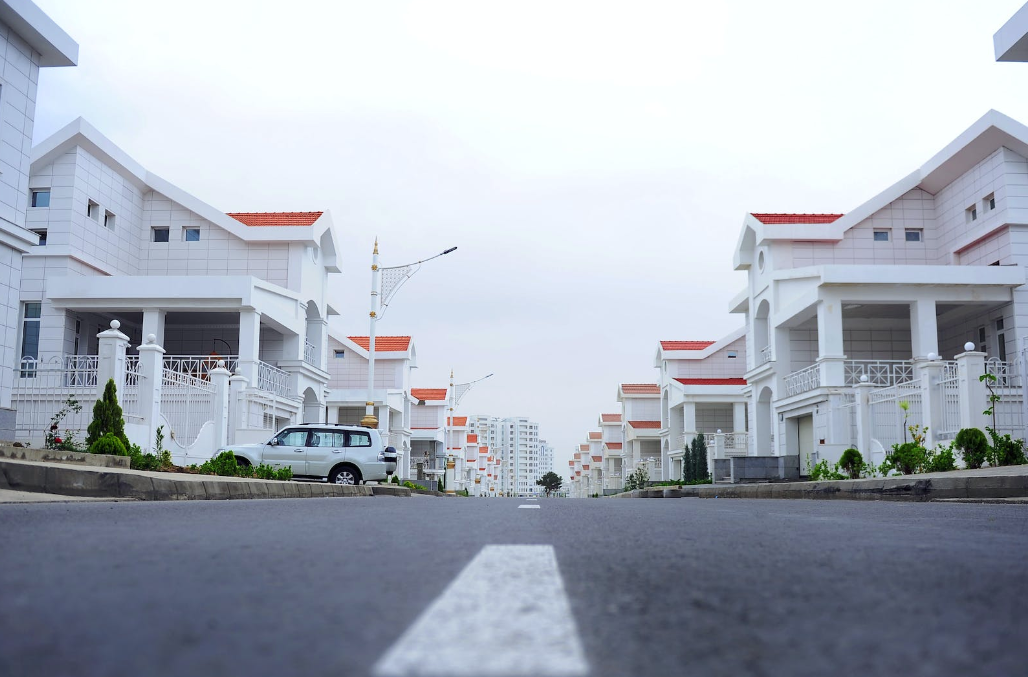
 Thorough market research is crucial when entering any real estate market. Start by studying the German property market as a whole, including macroeconomic indicators, supply and demand dynamics, and historical price trends.
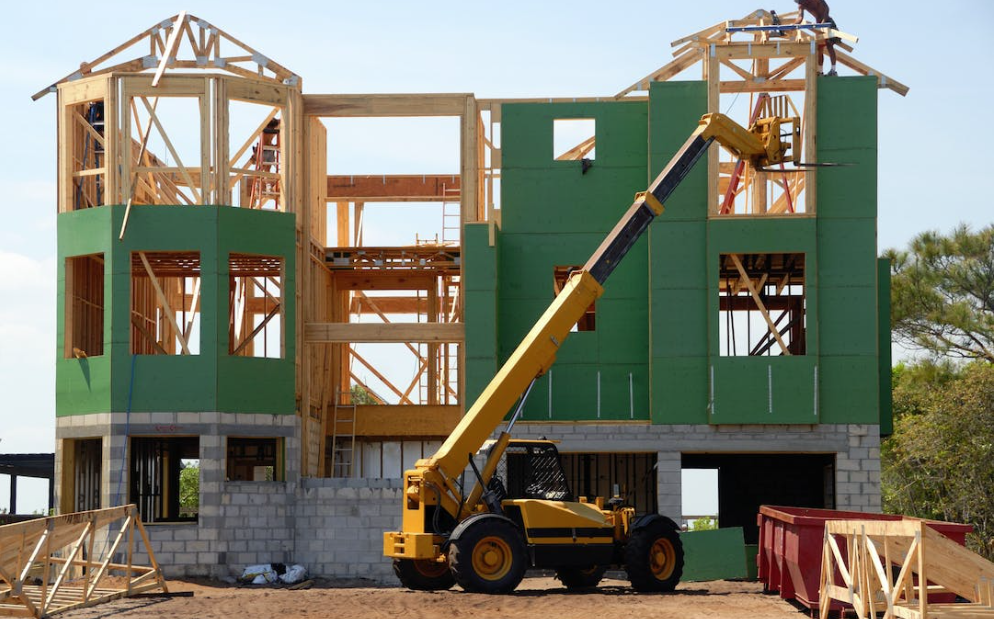 Every investment carries a certain level of risk, and the real estate market is no exception. Analyze potential risks such as market fluctuations, economic downturns, and regulatory changes.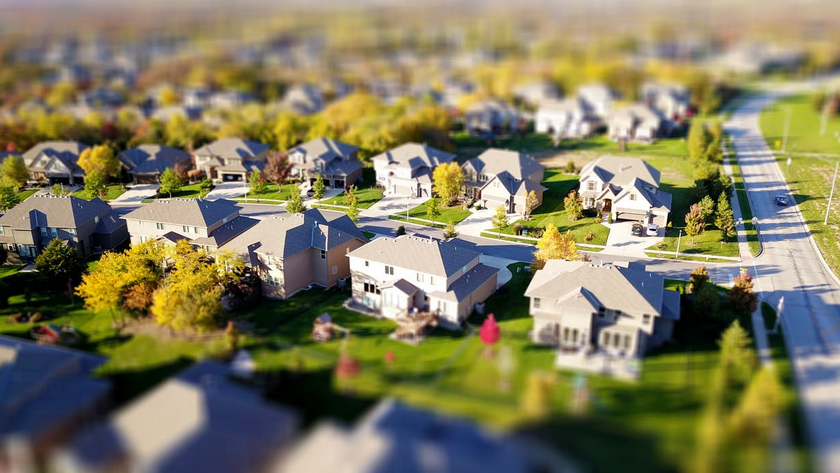
 Everything has a price tag, and unfortunately, our homes are no different. If you’re looking to sell your home soon, then it’s essential to make sure that you are getting the most out of your investment.
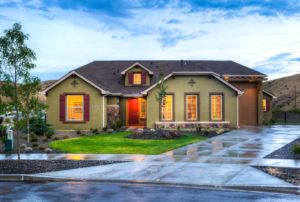 Your home is a reflection of you. So, if it’s well-maintained and looks great, it shows that you take pride in your home and care about its appearance. Conversely, if your home is in disrepair and looks run-down, it can give the impression that you don’t care about your home or take pride in its appearance.
 A home inspector is much more than a wonderful idea. It is a very important part of making sure that the house you want to buy is in perfect condition and that there are no hidden costs that they are willing to attack when you least expect it. Your real estate agent should be able to advise you on the best inspectors. It will most likely be a preferred developer that they will use for almost all of their income. It is a very wise choice to listen to a real estate agent’s advice.…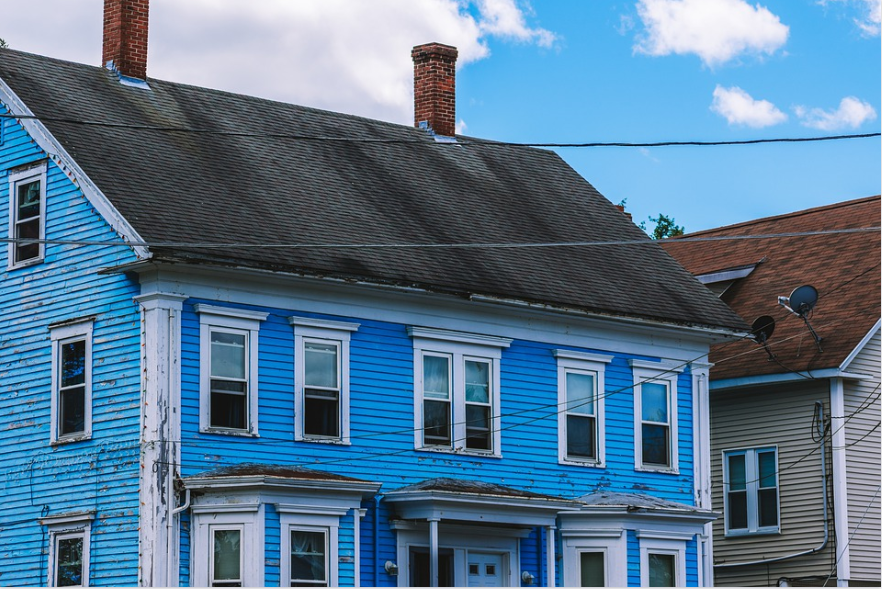
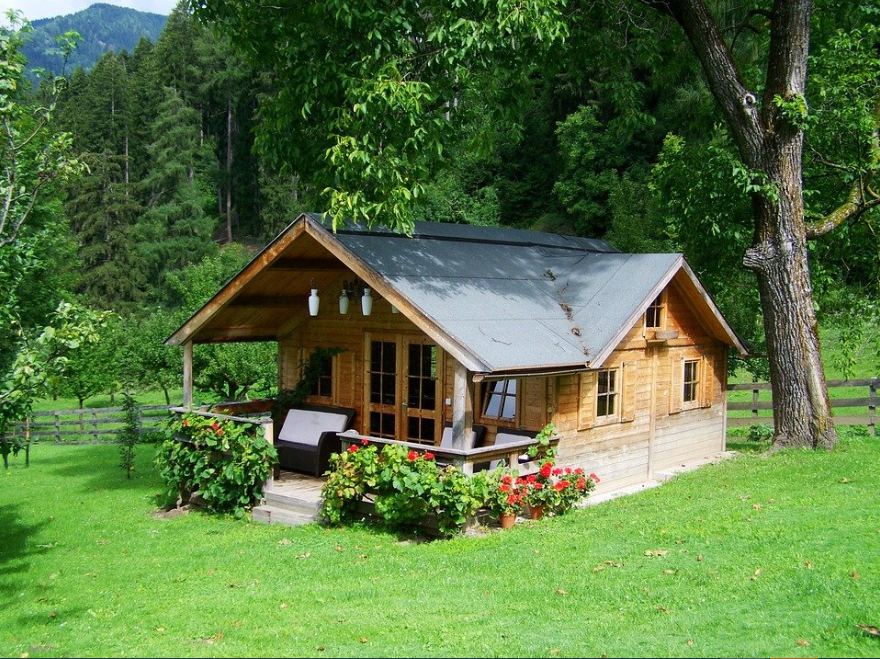 People living in a wooden house have improved their physical and mental health by living in a constant temperature environment. Other materials used in wooden structures, such as plastic, concrete, and cement, are affected by heat growth or decay. Almost all of these substances that are normally used in the construction of a structure increase in size as temperatures rise. As a result, their structural cohesion suffers, with consequent damage. It helps to maintain the integrity of the structure. Therefore, residential buildings’ logistic houses have a longer life and suffer less damage due to temperature changes.
 Forest buildings are extremely energy efficient. In winter, they offer warmer interiors, and in summer, the indoor temperature is relatively cool. Also, wood is resistant to electricity, making wooden houses a safer living option than other construction types. Log houses are located near forests, where they are more likely to be swept away by storms. Wood offers a safer option because its resistance to electricity protects it from adverse events.