
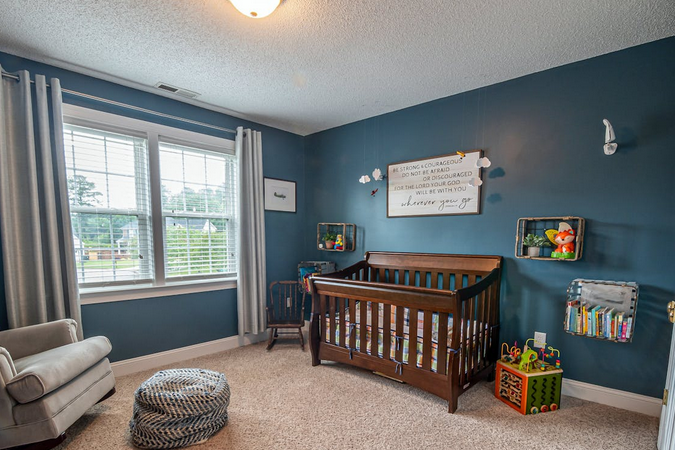
Choosing the right colors for a child’s bedroom goes beyond picking a favorite shade. The colors you use can influence mood, support better sleep, and even encourage creativity or calmness. When you look up tips for creating a child-friendly bedroom, you realize that the goal is to create a space that feels welcoming, age-appropriate, and flexible enough to grow with them. By combining soothing tones with a few energetic pops, you can achieve a balanced room that looks great and feels even better.
Soft Blues for Calm and Focus
Blue is one of the most popular choices for kid bedrooms—and for good reason. Lighter shades of blue are known to be calming, making them ideal for sleep-friendly spaces. They also promote focus, which can be helpful in a room that includes a homework or reading area. Pair soft blue walls with warm neutrals or bright white trim for a classic, serene look.
Warm Greens to Evoke Nature and Balance
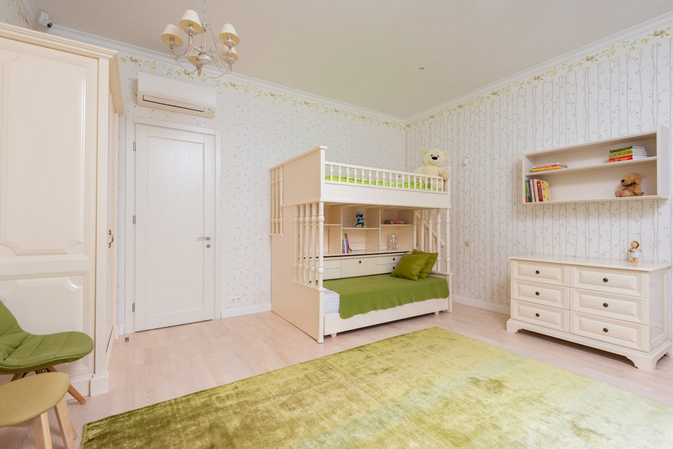
Green represents nature, growth, and balance, making it a great color for kids who need a sense of calm. Sage, mint, or soft olive tones are especially versatile, and they pair well with wood finishes, natural textures, or even playful animal-themed decor. Green works well for both boys’ and girls’ rooms and can adapt as their tastes evolve.
Yellows for Cheerful Energy
Used in moderation, yellow adds sunshine and joy to a kid’s space. Pale buttery tones can create a warm, inviting environment, while brighter accents energize a room without overwhelming it. Consider using yellow for bedding, curtains, or wall art rather than full walls to maintain balance. This color works well in shared rooms to bring a sense of unity and warmth.
Neutrals That Grow With Your Child
A base of neutral tones—such as ivory, taupe, or light gray—offers flexibility as your child grows. Neutrals provide a calm backdrop that can handle frequent decor updates as your child’s interests shift. They also let colorful toys, books, and art stand out without clashing. Layering neutrals with soft pastels or earthy accents can keep the space from feeling too bland.
Lavenders and Soft Pinks for a Touch of Whimsy
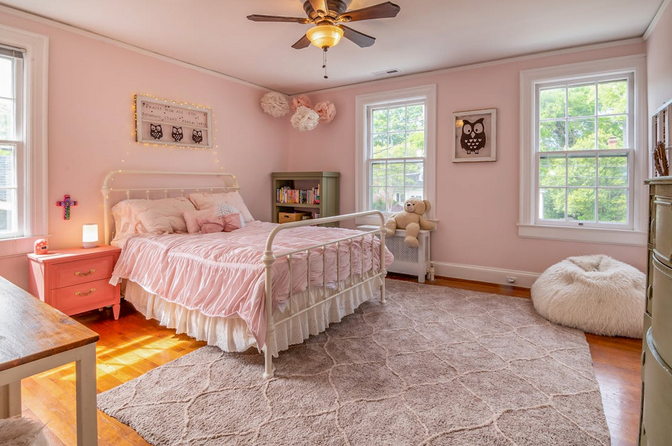
Soft purples and pinks are perfect for creating a gentle, whimsical feel. These hues can make a room feel dreamy and imaginative—especially when paired with white or light wood furniture. Lavender in particular offers a sense of relaxation, which is ideal for bedtime routines. Avoid overly bright or neon versions of these colors, which can overstimulate rather than soothe.
Pops of Color Through Accessories
Rather than painting the entire room in bold hues, use accessories like rugs, bedding, artwork, and storage bins to add fun pops of color. This makes it easy to change themes or update the vibe of the room without repainting. Bright reds, oranges, or turquoise can be sprinkled in through playful touches that add personality without overpowering the space.
The best colors for kid-friendly bedrooms are those that strike a balance between personality and practicality. From calming blues and greens to cheerful yellows and gentle lavenders, each shade brings something unique to a child’s space. By choosing tones that promote comfort, creativity, and adaptability, you’ll create a room that both you and your child will love for years to come.